Published 2026-06-27
Key design points for process air heater selection guide.
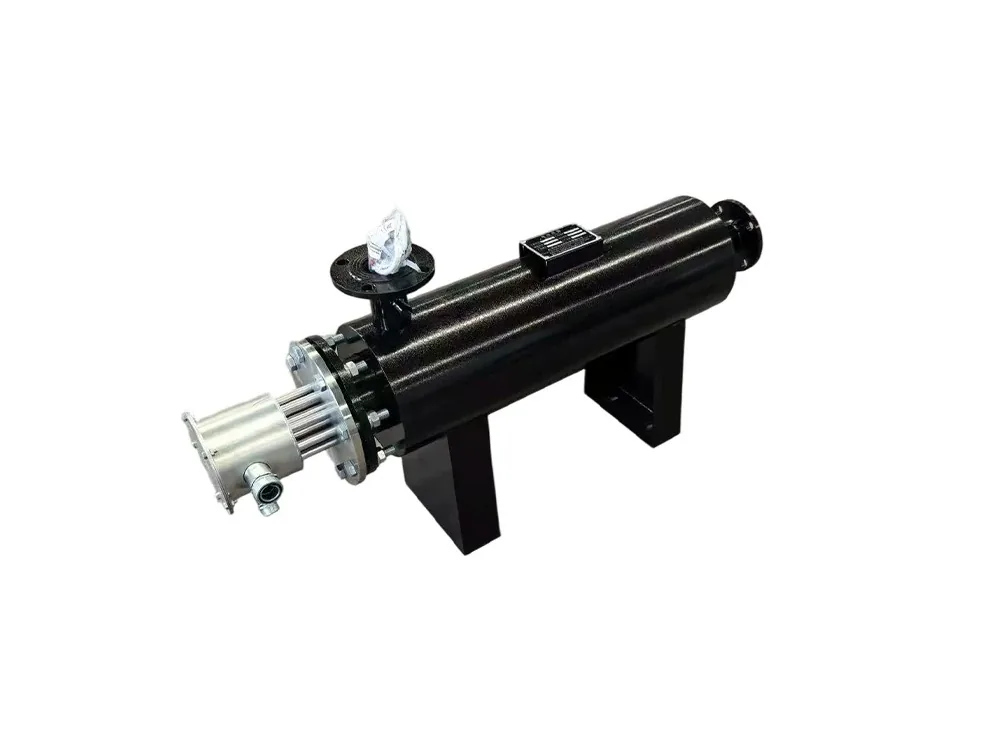
Electric pipeline heaters for forced air circulation, hot air delivery and production equipment requiring stable process temperature.
For this application, Yigao reviews temperature target, heating medium, equipment layout, operating rhythm and site energy condition before recommending a practical product configuration.
Process air heating or pipe temperature maintenance?
This guide covers an electric heater that raises the temperature of air flowing through a pipe or duct. It does not describe heat-tracing cable for maintaining the temperature of a pipe wall, or a circulating thermal oil heater. State the medium and flow arrangement before selecting equipment.
Pipeline air heater or air duct heater?
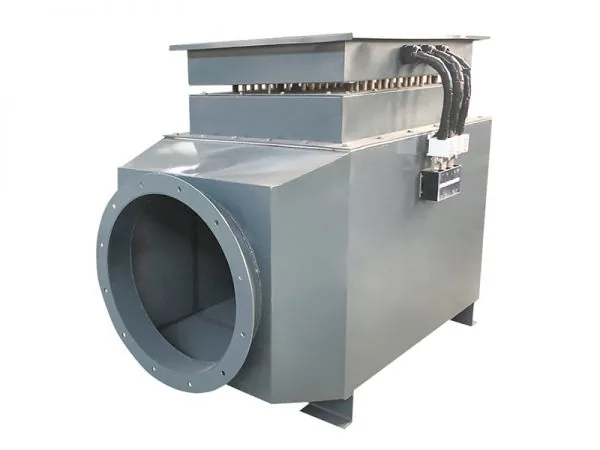
Review the industrial pipeline air heater around the process-air route, flow, inlet and outlet temperatures, pressure and flange connections. Review the electric air duct heater for integration with a drying room, oven or hot-air circulation system, including its fan and duct layout. These applications can overlap; the equipment name alone does not establish suitability.
Prepare the airflow and installation data
Provide minimum and normal airflow, its units and reference conditions, inlet temperature, target outlet temperature, operating pressure, available voltage and the fan information. Include duct dimensions, flange drawings, permitted pressure drop and maintenance clearance. For a recirculating oven, describe the fresh-air and return-air paths rather than submitting fan power alone.
Use the process-air heater sizing guide to prepare heat-duty inputs; model selection still requires review of the actual flow and installation. See the industrial dryer heating reference for related installation context. For a fuel-fired alternative, start with the industrial hot-air heating guide.
- 6–600 kW electric heatingYigao can review operating data, layout and drawings before recommending a product configuration.
- Ambient to 800 °C temperature rangeYigao can review operating data, layout and drawings before recommending a product configuration.
- ±1 °C reference control accuracyYigao can review operating data, layout and drawings before recommending a product configuration.
- Custom duct, flange and material designYigao can review operating data, layout and drawings before recommending a product configuration.
Recommended information before selection
- Target temperature and required heating time
- Working medium, air volume or thermal oil flow
- Machine size, duct route, reactor volume or production line drawing
- Preferred fuel or voltage condition
- Destination country, quantity and installation space