Published 2026-06-27
Key design points for industrial hot air heating guide.
Hot air systems for drying, curing, ovens, coating machines and industrial kilns.
For this application, Yigao reviews temperature target, heating medium, equipment layout, operating rhythm and site energy condition before recommending a practical product configuration.
Choose gas-fired or electric hot-air heating from the same duty
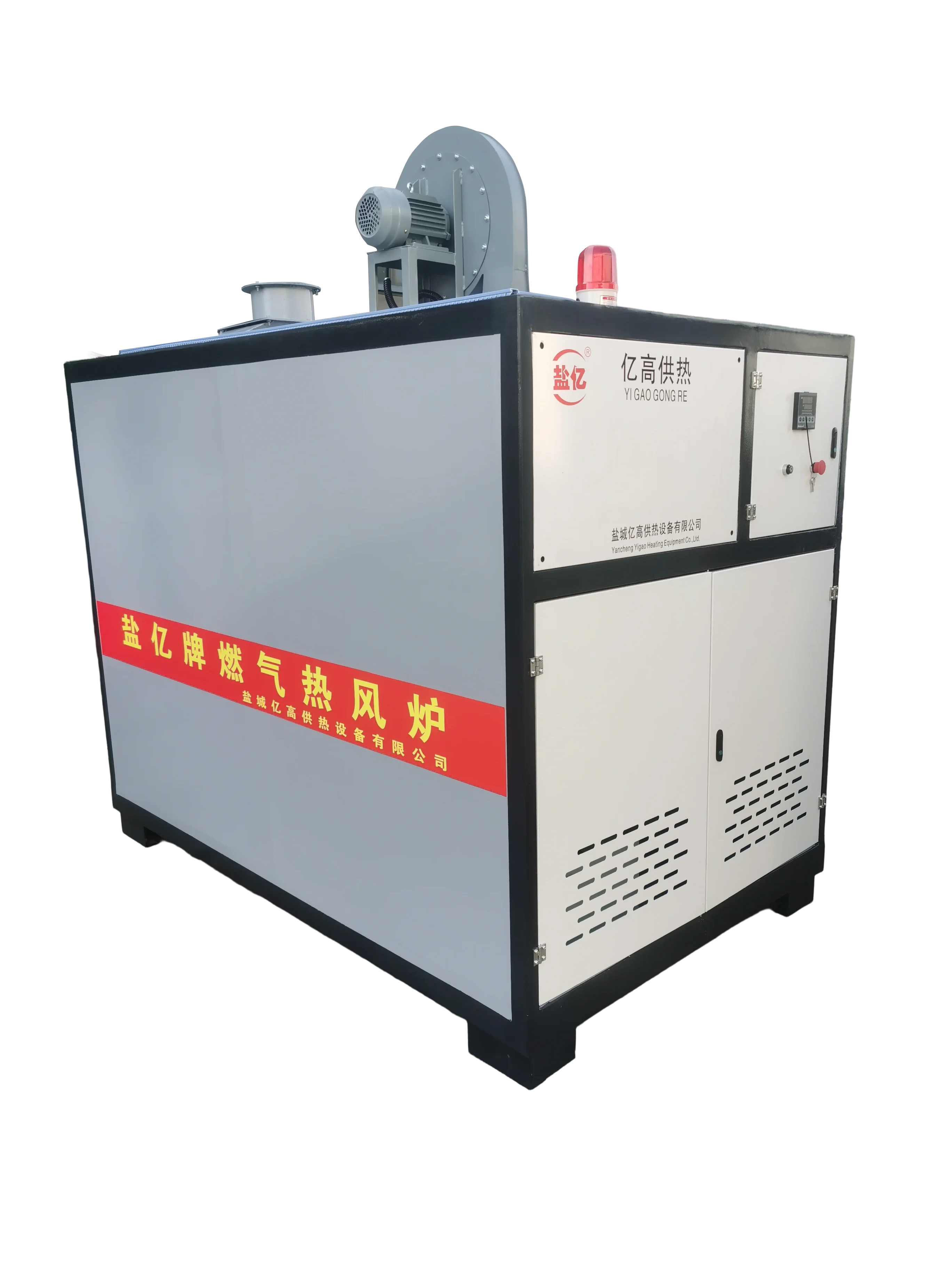
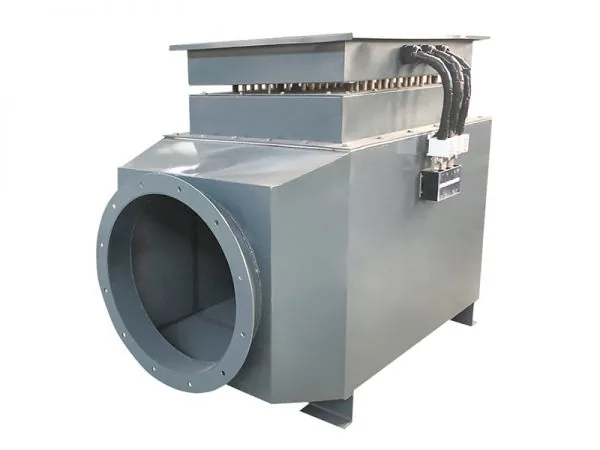
Compare heat sources using the required airflow, inlet and outlet temperatures, operating hours and actual drying or curing load. A gas hot air furnace requires the available gas type and pressure, burner and exhaust arrangement, and site combustion conditions. An electric air duct heater requires voltage, phase, available electrical capacity, fan data and interlock requirements. A pipeline air heater may be reviewed for a defined process-air route where pressure, flange and duct information are available.
Describe the drying process before selecting the heater
State the material being heated, batch or continuous operation, initial and target moisture where known, production rate, allowable product temperature and required drying or curing time. Provide chamber or oven dimensions, insulation, loading pattern and whether hot air contacts the product directly. If cleanliness, odor, food, pharmaceutical, coating or solvent conditions apply, identify them before choosing the heating structure and materials.
Map fresh air, return air and moisture exhaust
Provide minimum and normal circulation airflow, fresh-air percentage, return-air temperature, moisture-laden exhaust route and fan operating point. Show the heater, fan, filter, chamber, return duct, damper and sensor locations on one layout. Confirm low-airflow and over-temperature interlocks with the final control design.
Use the process-air heater sizing guide to prepare airflow and temperature-rise inputs. Review the industrial dryer heating reference for related installation context; the reference does not establish drying time or energy performance for a different material or line.
- High airflow configurationYigao can review operating data, layout and drawings before recommending a product configuration.
- Gas hot air heat sourceYigao can review operating data, layout and drawings before recommending a product configuration.
- Duct and oven integrationYigao can review operating data, layout and drawings before recommending a product configuration.
- Temperature control for continuous linesYigao can review operating data, layout and drawings before recommending a product configuration.
Recommended information before selection
- Target temperature and required heating time
- Working medium, air volume or thermal oil flow
- Machine size, duct route, reactor volume or production line drawing
- Preferred fuel or voltage condition
- Destination country, quantity and installation space