Product parameters
Technical reference and model data.
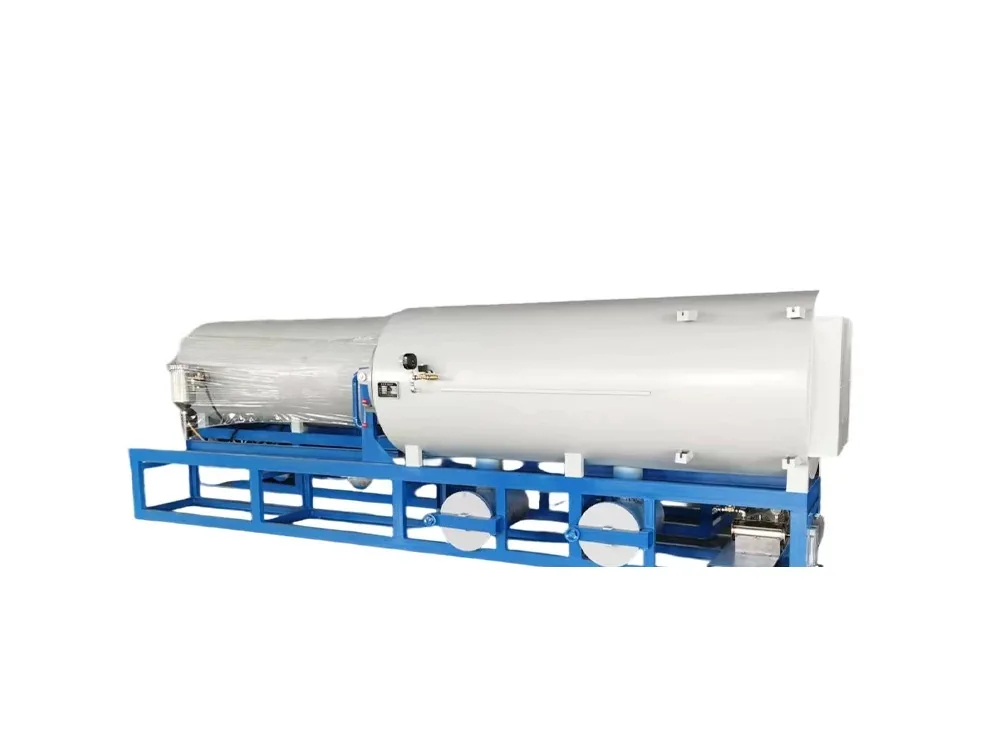
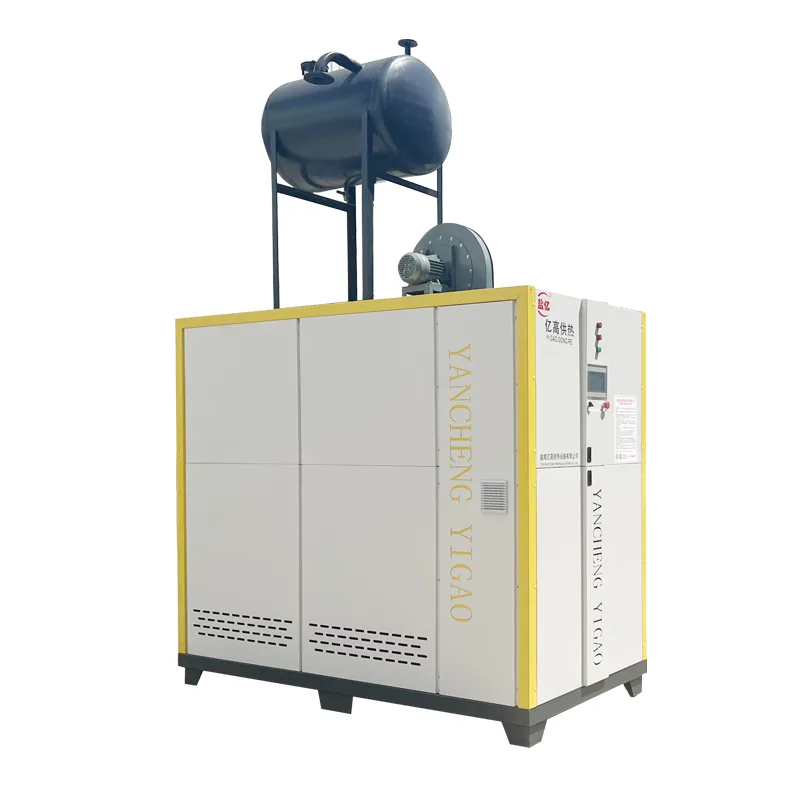
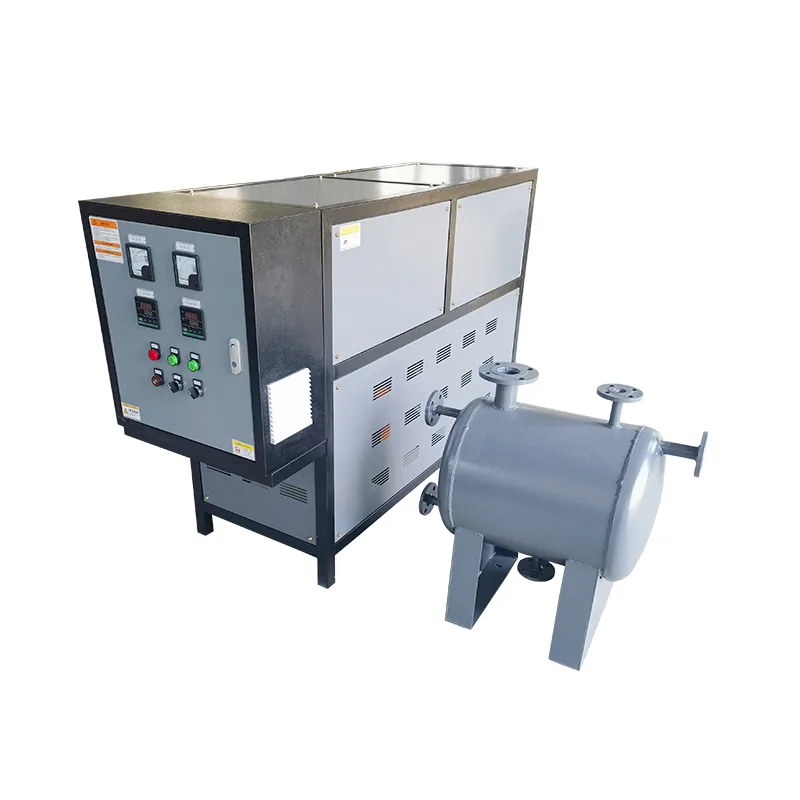
Product nameVacuum cleaning furnace / vacuum calcining furnace
Product typeChemical fiber complete-set auxiliary equipment
Heating methodElectric heating with vacuum calcining / pyrolysis cleaning
Control methodFully automatic program control
Applicable partsSpinnerets, extruder die heads, filter mesh, filter elements and precision polymer-contaminated parts
Applicable residuesPA, PP, TPE, PBT, PC, PMMA, ABS and similar thermoplastic polymer residues
Process temperatureAbout 300 °C melting stage, then 400–500 °C vacuum oxidation / cleaning stage
Reference cleaning cycleAbout 8 hours or less, depending on residue, batch load and workpiece size
Exhaust treatmentSpray washer plus water-ring vacuum pump
Water conditionWater pressure reference from supplied system diagram: >= 0.25 MPa
ProtectionVacuum pressure alarm, low water pressure alarm, alarm protection and double protection system
CustomizationDesigned according to chamber size, basket size, workpiece quantity, residue type and process requirements
System Composition
Structured from the supplied vacuum cleaning furnace system diagram. Final system layout can be adjusted by chamber size and cleaning load.
Swipe horizontally to view all specifications.
| System | Main components | Function |
|---|
| Temperature control | Temperature control system, process auto-control, alarm protection | Controls heating stages, cycle logic and protection alarms |
| Vacuum chamber | Vacuum chamber, electric-contact vacuum gauge, vacuum pressure indication alarm | Maintains and monitors the vacuum cleaning environment |
| Residue collection | Waste material collection tank and furnace basket | Collects liquefied polymer residue during the first heating stage |
| Water and exhaust treatment | Automatic water supply system, spray washer, buffer water tank, water filter | Washes exhaust gas and supports water-ring vacuum pump operation |
| Vacuum pump | Water-ring vacuum pump with pressure control and glass rotameter reference | Extracts exhaust after water spray treatment and discharges with circulating water |
| Safety protection | Low water pressure alarm, double protection system and control cabinet wiring | Improves monitoring and protects the equipment during automatic operation |
Cleaning Performance Reference
Based on the supplied before-and-after cleaning examples.
Swipe horizontally to view all specifications.
| Workpiece | Before cleaning | After cleaning |
|---|
| Spinneret / extruder die head | Blocked or carbonized polymer residue inside holes | Open holes and cleaner metal surface |
| Filter mesh | Heavy dark polymer contamination | Clean mesh surface after vacuum cleaning |
| Filter element | Residue attached to the filter core | Cleaner filter core with restored passage |
Product Highlights
- Cleaner replacement processDesigned as a newer replacement option for triethylene glycol and salt-bath cleaning in suitable polymer component applications.
- Short automatic cycleReference cleaning cycle is about 8 hours or less, with automatic heating and cleaning control after setup.
- Precision part protectionControlled vacuum calcining reduces manual scraping and helps protect spinnerets, filters and other precision components.
- Wide polymer coverageSuitable for PA, PP, TPE, PBT, PC, PMMA, ABS and similar thermoplastic polymer residues.
- Safety monitoringVacuum pressure alarm, low water pressure alarm and double protection configuration support safer operation.
Vacuum Calcining Cleaning Process
The cleaning program uses staged electric heating, vacuum extraction and water-spray exhaust treatment to remove polymer residue while reducing manual work.
01Load contaminated spinnerets or filter parts
→
02Heat to about 300 °C so polymer melts and flows to the collection tank
→
03Raise the furnace to 400–500 °C under vacuum with controlled fresh air
→
04Oxidize remaining polymer residue into exhaust gas
→
05Wash exhaust through water spray and discharge with the water-ring vacuum pump
Technical Overview
The vacuum cleaning furnace, also called a vacuum calcining furnace, is used for chemical fiber industry components such as spinnerets, filter elements, filter mesh and other polymer-contaminated precision parts.
The process first heats contaminated workpieces to about 300 °C so the polymer softens, melts and flows down into the collection tank. The furnace then rises to about 400–500 °C under vacuum with a controlled amount of fresh air so remaining polymer residue is fully oxidized.
Exhaust gas generated during cleaning is routed through the spray washer and water-ring vacuum pump instead of being released directly in the workshop. Actual emissions depend on the residue, operating program and treatment configuration and require project-specific regulatory testing.
Company materials describe automatic operation and shorter reference cleaning cycles. Actual cycle time and energy use depend on polymer type, residue amount, batch load, temperature program and utility conditions.
Chamber size, furnace basket, loading capacity, temperature program, water system and alarm configuration can be customized around the customer's workpiece size and residue type.
For spinneret, filter element and extruder die-head cleaning, send the alloy or part material, maximum dimensions, hole or mesh details, residue polymer, contamination amount and acceptable post-cleaning inspection method. A part name alone does not establish a suitable cycle.
Before ordering a production furnace, define a representative trial or acceptance plan where practical. Record the sample part, residue condition, loading orientation, cleaning program and inspection criteria so the result can be compared without assuming that appearance alone proves every passage is clear.
Typical Applications
- Chemical fiber spinnerets
- Extruder die heads
- Filter mesh cleaning
- Filter element cleaning
- Polymer component cleaning
- Precision metal part cleaning
Custom configuration
Can be customized for your production line.
The vacuum cleaning furnace can be customized by workpiece type, batch size, chamber dimension, residue material and cleaning cycle requirement.
- Chamber and basketInternal chamber size, basket structure, loading quantity and fixture details can be designed around spinnerets, filters or die heads.
- Cleaning programHeating stages, holding time, vacuum level, fresh-air control and cycle logic can be tuned for different polymer residues.
- Water and exhaust systemSpray washer, water-ring vacuum pump, buffer tank and filter configuration can be matched to workshop utilities.
- Safety and controlVacuum alarm, water pressure alarm, temperature protection and operation interface can be adjusted for the site process.
Recommended Information for Quote
Please send part type, part dimensions, polymer residue type, batch quantity or basket size, expected cleaning cycle, voltage, workshop water supply condition and any existing cleaning process requirement.
Ordering information
Commercial details to confirm before ordering.
Order typeIndustrial equipment configured against process data; standard and non-standard options depend on the selected model.
MOQConfirm in the written quotation after power, dimensions, material, control and quantity are agreed.
Lead timeConfirm after technical drawings, component selection, quantity and destination requirements are finalized.
Certificates / testsState the required market standard and ask which documents apply to the selected configuration.
Warranty / serviceConfirm warranty period, commissioning, spare parts and remote or on-site support in the contract.
For custom heating equipment, commercial terms and document scope are confirmed after the technical configuration, quantity and destination requirements are reviewed.
Buyer FAQ
Vacuum Cleaning Furnace FAQ
What is the Vacuum Cleaning Furnace used for?
Vacuum Cleaning Furnace is used for Chemical fiber spinnerets, Extruder die heads, Filter mesh cleaning, Filter element cleaning. Final selection should be based on the working medium, target temperature, capacity and installation conditions.
Can the Vacuum Cleaning Furnace be customized?
The vacuum cleaning furnace can be customized by workpiece type, batch size, chamber dimension, residue material and cleaning cycle requirement.
What information is needed to quote the Vacuum Cleaning Furnace?
Please send part type, part dimensions, polymer residue type, batch quantity or basket size, expected cleaning cycle, voltage, workshop water supply condition and any existing cleaning process requirement.
What are the MOQ and production lead time for the Vacuum Cleaning Furnace?
MOQ and production lead time depend on the selected power, material, control system, dimensions, quantity and order-specific engineering work. Ask Yigao to confirm both items in the written quotation after the technical configuration is agreed.
Which certification and test documents are available for the Vacuum Cleaning Furnace?
Certification and test-document availability varies by model, components and destination market. State the required standard and destination country during inquiry, then ask Yigao to list the applicable documents in the quotation. Do not assume one certificate covers every custom configuration.
What after-sales support is included with the Vacuum Cleaning Furnace?
Yigao provides technical consultation and equipment coordination. The exact warranty, commissioning, spare-parts, remote-support and on-site service scope should be confirmed in the written quotation or contract for the selected configuration and destination.