Published 2026-06-27
Key design points for vacuum furnace cleaning guide.
Vacuum cleaning systems for polymer residues and precision industrial components.
For this application, Yigao reviews temperature target, heating medium, equipment layout, operating rhythm and site energy condition before recommending a practical product configuration.
Confirm the part and polymer before selecting a cleaning cycle
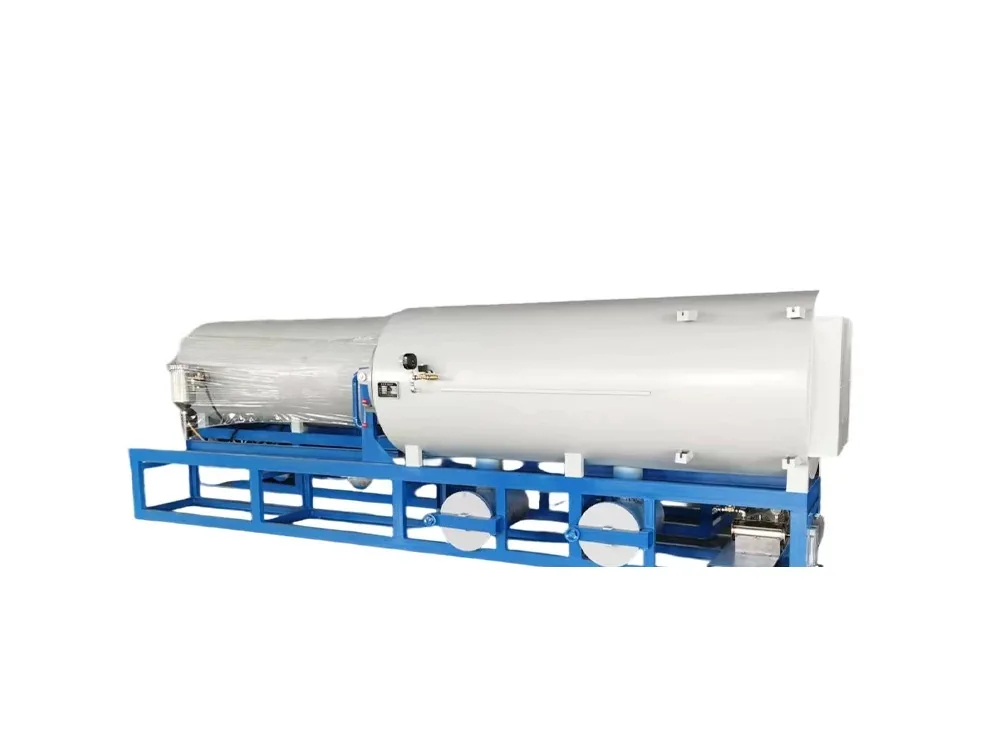
A vacuum cleaning and calcining furnace is reviewed for polymer-contaminated metal parts such as spinnerets, filter elements, filter mesh and extruder die heads. Provide the part material, surface treatment, maximum dimensions, smallest passage or mesh details and any areas that must not be exposed to the proposed temperature program. State every known residue rather than using a general description such as plastic contamination.
Size the chamber from the loaded basket
Provide a drawing or photographs showing how parts will sit in the basket, the number and mass per batch, loading clearance and the expected contamination amount. Chamber dimensions alone do not establish useful capacity: basket support, part spacing, residue drainage and handling access also affect the arrangement.
Check utilities and exhaust treatment at the installation site
Confirm voltage and available electrical capacity, workshop water supply, drainage, exhaust route, ambient conditions and space for the furnace, spray washer and water-ring vacuum equipment. Local environmental and workplace requirements must be reviewed for the actual residues and installation; a generic equipment description is not an emissions approval.
Define trial and acceptance documentation
Where practical, identify a representative sample part and agree how cleaning will be checked: visual condition, passage or mesh inspection, dimensional review, residue measurement or another buyer-approved method. Record the starting contamination, loading orientation and cycle used. Request order-specific inspection and test records for the selected configuration rather than relying on a general product image.
- Automated cleaning cycleYigao can review operating data, layout and drawings before recommending a product configuration.
- Reduced manual laborYigao can review operating data, layout and drawings before recommending a product configuration.
- Suitable for polymer residuesYigao can review operating data, layout and drawings before recommending a product configuration.
- Component protectionYigao can review operating data, layout and drawings before recommending a product configuration.
Recommended information before selection
- Target temperature and required heating time
- Working medium, air volume or thermal oil flow
- Machine size, duct route, reactor volume or production line drawing
- Preferred fuel or voltage condition
- Destination country, quantity and installation space