
Replacement and retrofit guide
A replacement is a specification check, not only a dimension check.
Replacing an electric heating tube affects heat transfer, electrical loading, control response and equipment safety. The correct replacement should match the working medium, target temperature, heat load, voltage, watt density, sheath material, terminal arrangement and installed clearance.
1. Record the original element
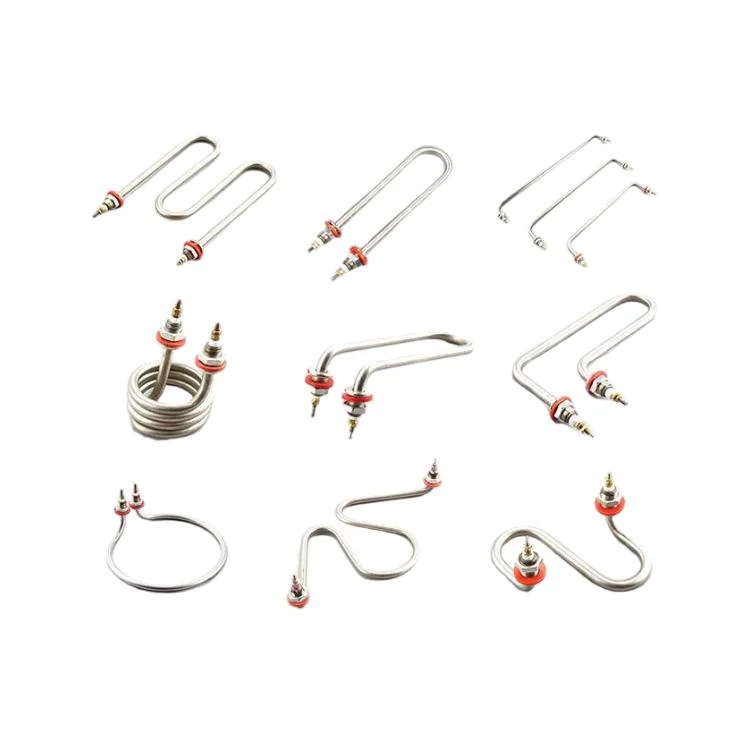
Photograph the nameplate, terminal end, mounting face and the full installed route. Record voltage, wattage, phase, frequency, quantity, tube diameter, total length, heated length, cold section, bend shape, terminal spacing and flange or thread details. If the old tube is burned out, use the heater drawing and the mating opening rather than measuring a distorted part only.
2. Match the process condition
3. Recheck electrical compatibility
Keep voltage, phase, resistance, total wattage and element grouping compatible with the control cabinet. A replacement with a different wattage can change current, fuse or breaker sizing, contactor or SSR loading, heat-up time and controller tuning. Confirm grounding, insulation resistance, terminal temperature and cable clearance before energizing.
4. Confirm material, seal and mounting
Stainless steel, Incoloy and other sheath choices should be selected from temperature, chemistry, corrosion and cleanliness data. Confirm the flange or thread, gasket or seal, bracket, terminal cover, bend radius, sensor clearance and the direction of the cold end. The element must not touch the tank, duct, chamber wall or neighboring tube unless the design explicitly allows it.
5. Commission the new tube safely
- Verify the drawing and measured dimensions before installation.
- Check insulation resistance, grounding and terminal tightness.
- Confirm immersion level, airflow or circulation before switching on power.
- Start with staged or limited output where the controller allows it.
- Check sensor response, temperature rise, current balance and alarm logic.
- Record the installed part number and final electrical readings for the next replacement.
Ordering replacement tubular heating elements by part number
Provide the original equipment model and element part number when available, but also supply the nameplate, a dimensioned drawing and mounting photos. A part number is a reference for review, not a guarantee that an alternative element will fit or perform identically.
Separate a like-for-like replacement request from a proposed change in wattage, material or shape. Mark the current specification and requested revision, explain the reason for the change and include failure photos where relevant. For a new geometry, follow the custom tubular element drawing and selection checklist. Review the custom tubular heating element product page for available configuration types and submit the drawing for a compatibility review.
What to send for a replacement quotation
Send the original nameplate or electrical data, a dimensioned drawing, photos of the mounting area, medium, target temperature, heat-up time, power supply, quantity, material preference, terminal and sealing details, destination country and any repeated failure symptoms. Yigao can review a drawing-based custom tubular heater for new equipment, dryer upgrades, tanks, ducts, thermal oil systems and other process equipment.
Buyer FAQ
Heating tube replacement FAQ
What information is needed to replace an industrial heating tube?
Send the original nameplate, voltage, wattage, phase, tube diameter, heated and cold length, bend shape, terminal spacing, flange or thread, seal, medium, target temperature and installation photos. A drawing is preferred when the original element is damaged.
Can a replacement heating tube use a different wattage?
Do not change wattage without checking heat load, control output, wiring, fuse or breaker size, surface loading, medium flow and over-temperature protection. A higher wattage can overheat the medium or overload the equipment, while a lower wattage can extend heat-up time.
Can I replace stainless steel with Incoloy?
Material changes should be reviewed against medium chemistry, temperature, corrosion, humidity, cleanliness and service life requirements. Match the actual operating condition rather than choosing a material from a generic replacement label.
How do I confirm a replacement heating tube will fit?
Check the cold section, heated length, bend radius, terminal direction, mounting face, flange or thread, seal, clearance, sensor position and wiring space. Compare the drawing with the installed heater before production.