
Heating selection guide
Start with the process condition, then choose the heater.
Industrial electric heater selection should begin with the real operating data: working medium, inlet temperature, target temperature, flow rate, heat-up time, operating pressure, installation space and daily production rhythm. These conditions decide the heat load, heater structure, material and control method.
1. Confirm the basic heating data
- Medium: thermal oil, air, water, gas, chemical liquid or another process material.
- Temperature: inlet temperature, required outlet temperature and acceptable temperature stability.
- Capacity: flow rate, tank volume, mold size, pipe diameter or equipment dimensions.
- Site utilities: voltage, wiring capacity, control signal, installation position and available space.
2. Match the documented heater type to the application
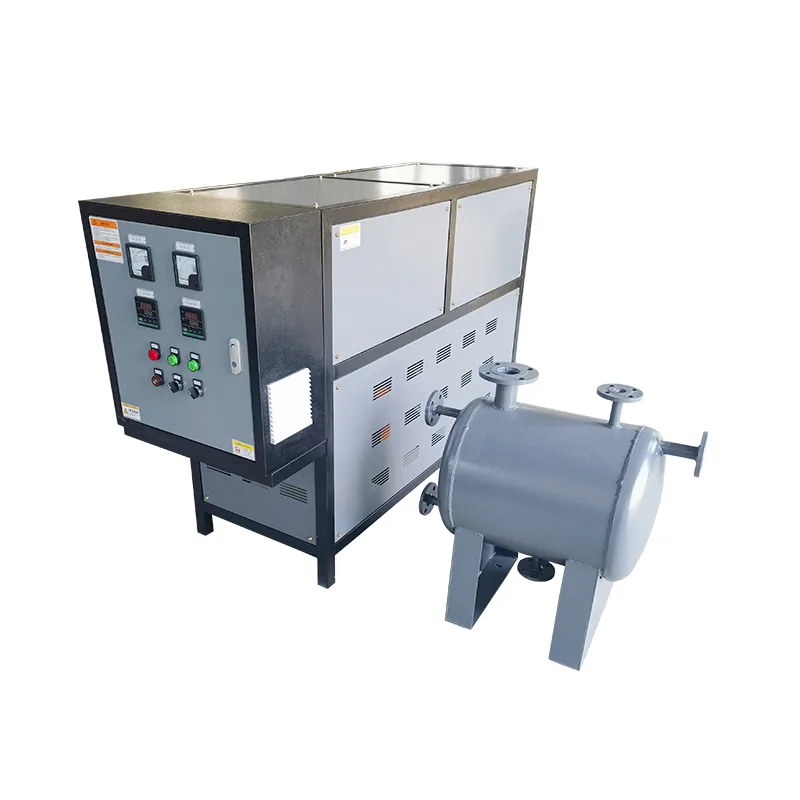
For reactors, rollers, hot presses and mold temperature control, an electric thermal oil heater uses circulating oil to transfer heat indirectly to the connected equipment. The current Yigao pipeline heater page documents a fan-driven electric air-heating configuration. Its air-heating model data must not be applied to a liquid, pressurized gas or corrosive medium without a separate engineering review and order-specific specification.
3. Separate heat duty from installed electrical power
Calculate or provide the process heat duty before selecting installed kilowatts. Include the mass or flow being heated, temperature rise, heat-up time, heat loss, operating cycle and starting condition. Then confirm voltage, phase, available current and whether staged control is required. A larger electrical rating does not correct missing circulation, insufficient airflow, poor insulation or an unsuitable heat-transfer surface.
4. Select material and structure carefully
Carbon steel can be suitable for many non-corrosive thermal oil and air applications. Stainless steel is preferred when the medium is corrosive, humid, food-related or requires cleaner contact conditions. For pressure or special chemical conditions, the shell thickness, flange standard, gasket, heating element material and welding inspection should be confirmed before quotation.
5. Specify control and safety protection
A stable electric heating system should include temperature control, staged heating output and independent safety logic. Depending on the process, Yigao can review PID or PLC control, SSR or contactor output, over-temperature protection, low-flow or low-level alarm, pump interlock, pressure monitoring and emergency stop configuration.
- Use staged heating when the installed power is large or the process needs smoother temperature control.
- Use independent over-temperature protection instead of relying only on the main temperature controller.
- Confirm circulation direction, exhaust, expansion tank and oil return layout for thermal oil systems.
- Confirm airflow, pressure, sensor position and maintenance clearance for pipeline air heaters.
6. Data needed for a practical quotation
To reduce back-and-forth communication, send the target temperature, medium, flow or volume, required heating time, voltage, working pressure, pipe diameter, installation drawings, site photos and destination country. If the process is being upgraded from an existing heater, include the current power, problems and expected improvement.