Application guide

Mold Temperature Control Guide

Gas, diesel and electric heating systems for molds, hot presses, forming lines and industrial temperature control.

Mold Temperature Control Guide

Published 2026-06-27

Key design points for mold temperature control guide.

Gas, diesel and electric heating systems for molds, hot presses, forming lines and industrial temperature control.

For this application, Yigao reviews temperature target, heating medium, equipment layout, operating rhythm and site energy condition before recommending a practical product configuration.

Choosing a thermal oil heater for a hot press

Start with the press rather than heater power alone. Send platen dimensions and material, the number of platens, oil-channel drawings, starting and working temperatures, cycle time and required heat-up time. Identify whether each platen or group needs independent temperature control.

Match the heat source to the press duty

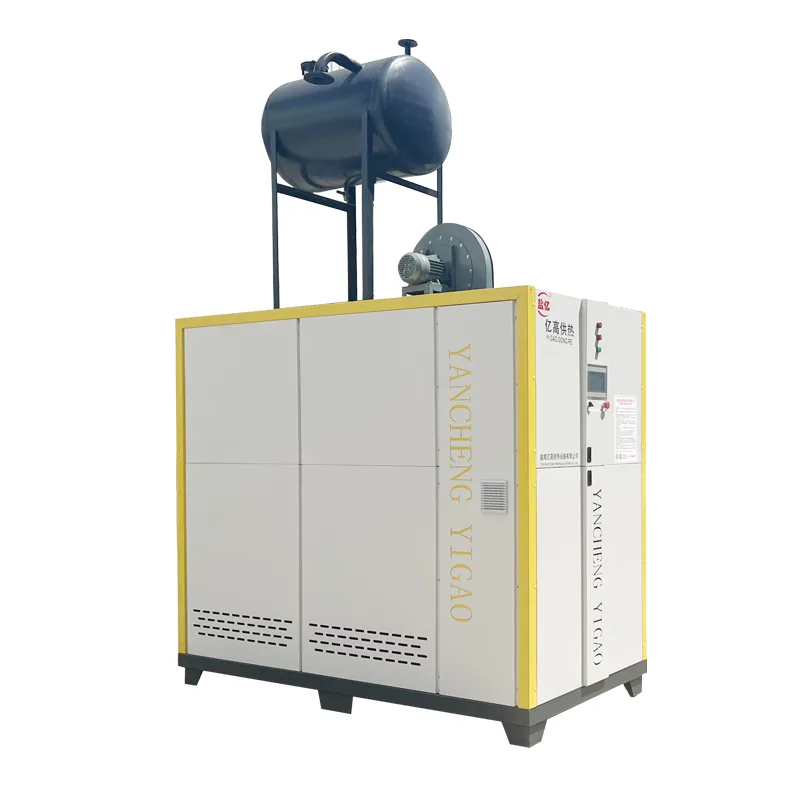
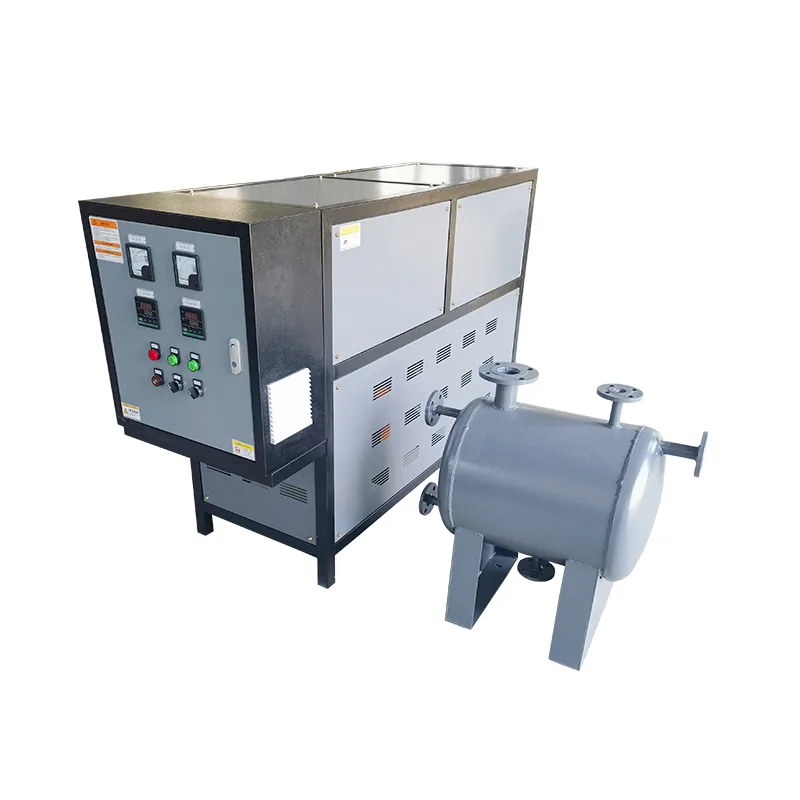
Compare the gas-fired thermal oil heater with diesel option and electric thermal oil heater using the same heat load and production schedule. Include available fuel or voltage, supply capacity, pipe distance and installation constraints. The final circulation and control arrangement requires review of the press manufacturer's oil-channel and operating limits.

Prepare an existing press retrofit

For replacement projects, include the current heater nameplate, pump data, supply and return temperatures, control-zone layout and the reason for replacement. Describe slow heating or uneven platen temperatures rather than assuming a larger heater will solve them. Review the multilayer press heating reference for a related installation context; it does not establish performance for a different press.

  • Stable mold surface temperatureYigao can review operating data, layout and drawings before recommending a product configuration.
  • Thermal oil circulationYigao can review operating data, layout and drawings before recommending a product configuration.
  • Energy-saving gas or diesel heating optionYigao can review operating data, layout and drawings before recommending a product configuration.
  • Suitable for large molds and pressesYigao can review operating data, layout and drawings before recommending a product configuration.

Recommended information before selection

  • Target temperature and required heating time
  • Working medium, air volume or thermal oil flow
  • Machine size, duct route, reactor volume or production line drawing
  • Preferred fuel or voltage condition
  • Destination country, quantity and installation space

Recommended products

Interactive selection tool

Compare gas and electric mold heating cost.

Use the calculator with your heat load, local tariffs and operating schedule before requesting a mold temperature control proposal.

Buyer FAQ

Mold temperature control FAQ

Should a mold temperature control system use gas, diesel or electricity?

Choose the heat source from the required heat load, target temperature, heat-up time, operating hours, local utility conditions, exhaust route and maintenance requirements. Gas or diesel may suit a continuous high-load site with available fuel infrastructure; electric heating may suit a site with sufficient electrical capacity and favorable tariffs.

What process information is needed to size mold temperature control equipment?

Provide mold or press dimensions and mass, thermal oil volume and grade, target and starting temperature, required heat-up time, production heat loss, oil flow, pipe length, operating hours, available fuel or voltage, installation space and destination-country requirements.

Can one mold heating system serve a hot press, reactor or large mold?

The same thermal-oil heating concept can be reviewed for different equipment, but the pump flow, heat load, oil volume, control zones, pipework, expansion arrangement and safety protection must be checked for the actual application. Do not select from temperature alone.

Can the gas-versus-electric calculator replace an engineering proposal?

No. The calculator provides a conditional operating-cost estimate from the entered heat load, tariffs, efficiency assumptions and schedule. Final equipment selection and savings require verified process data, site utilities, heat loss, exhaust, control requirements and a written technical proposal.

Project-fit review

Start with the process data you have now.

You do not need a finished equipment specification. Send the known duty, present operating issue or available drawing, and Yigao can identify which inputs are still needed before a model and quotation are confirmed.

A useful first brief can include

  • Application or material being heated
  • Target temperature or current problem
  • Heating medium, airflow or oil circuit
  • Available fuel, voltage and power capacity
  • Equipment size, photo, nameplate or drawing
  • Destination country and required quantity
Final specifications and performance depend on the selected configuration, operating conditions and project requirements.