
Fuel selection guide
The heat demand comes first; fuel configuration comes second.
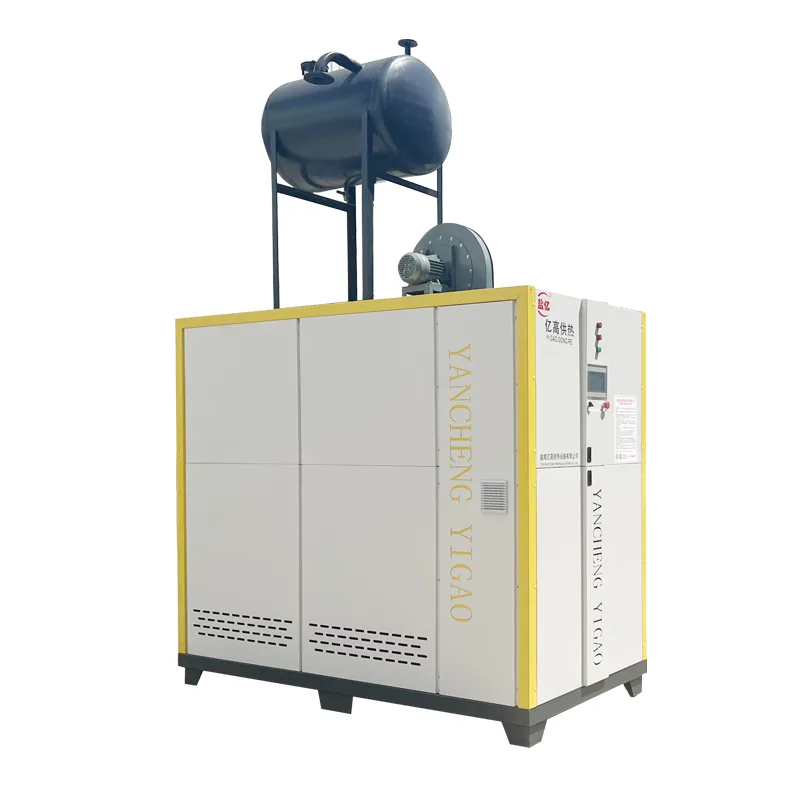
Gas-fired and diesel-fired mold temperature controllers can support thermal oil circulation for molds, presses, rollers and reactors. The production process determines the useful heat demand. Fuel selection then affects the burner, fuel train, storage or pipeline infrastructure, exhaust, maintenance and compliance plan.
1. Calculate the same process duty for both options
Before comparing fuel, confirm mold mass, thermal oil volume, target temperature, starting temperature, required heat-up time, production heat loss, pipeline distance and operating hours. A lower-cost fuel cannot compensate for an incorrectly sized thermal system.
Define at least the start-up, normal production, holding and minimum-load conditions. Record useful heat demand, required oil temperature, circulation condition and duration for each point. Comparing two burners at one nameplate rating can hide different cycling, standby and low-load behavior.
2. Compare site conditions
3. Normalize both fuel prices to the same useful-heat basis
A gas tariff per cubic metre and a diesel price per litre or kilogram cannot be compared directly. Use the supplier-declared energy content for each fuel, keep both values on the same net/lower or gross/higher heating-value basis, convert them to the same energy unit and document the efficiency assumption used for the proposed operating point.
Use local supplier values and quotation assumptions. Do not mix a lower-heating-value figure for one fuel with a higher-heating-value figure for the other, and do not treat a full-load efficiency assumption as a guaranteed seasonal result.
4. Check fuel availability at peak and partial load
Ask how the proposed burner and control sequence operate across the actual load range. Part-load behavior, purge cycles, standby losses and frequent starts can change annual fuel use and maintenance without changing the nominal heating capacity.
5. Do not assume every unit is dual-fuel
Yigao can review gas-fired or diesel-fired equipment according to the order. That does not mean every supplied machine can switch fuel in the field. If dual-fuel capability or future conversion is required, it must be stated before quotation so the burner, pipework, controls, safety logic and certification implications can be reviewed.
6. Confirm exhaust and safety early
- Combustion-air supply, equipment-room ventilation and flue route.
- Fuel shutoff, purge, ignition-failure response and emergency stop logic.
- Gas leak detection or diesel spill and fire-control requirements.
- Local electrical, combustion, pressure, environmental and fire regulations.
- Access for burner adjustment, cleaning, inspection and replacement parts.
7. Compare the complete procurement scope
Ask for separate written configurations when comparing gas and diesel. The quotation should identify exclusions, applicable documents, lead time, warranty, commissioning and service scope. Use the industrial heating energy-cost and ROI guide to add infrastructure, maintenance and downtime to the fuel-only comparison.
8. Use the current calculator within its stated scope
The gas-versus-electric heating cost calculator compares natural gas and electricity from the values shown on that tool. It does not calculate diesel consumption. For diesel, prepare a separate worksheet using the same process duty and annual schedule, the local diesel price unit, declared fuel energy content, density if conversion from litres to mass is required, and a documented burner assumption.
9. Data to send Yigao
Provide target temperature, mold or press size, oil volume, heat-up time, pipeline length, start-up/normal/holding duty, daily operating hours, available gas type, connection pressure and peak flow, diesel specification and price unit, supplier heat-value basis, delivery or storage constraints, exhaust drawing, installation space, destination country, required standard and quantity.
Buyer FAQ
Gas vs diesel mold heating FAQ
Can one mold temperature controller automatically switch between gas and diesel?
Do not assume every machine is field-switchable or dual-fuel. Yigao can review a gas-fired or diesel-fired configuration by order. If dual-fuel operation is required, state it before quotation so the burner, fuel train, control and safety design can be confirmed.
When is gas usually the better option?
Gas is often considered when a stable pipeline gas or LNG supply, suitable pressure, compliant fuel train and exhaust route are available. The decision should compare local energy cost, supply reliability, installation work and regulatory requirements.
When is diesel usually the better option?
Diesel may be considered where gas infrastructure is unavailable or an independent stored fuel supply is preferred. Buyers must plan compliant fuel storage, filtration, burner maintenance, ventilation, exhaust and local fire-safety requirements.
Does diesel or gas change the required heating capacity?
The process heat demand is determined by the mold, thermal oil circuit, target temperature, heat-up time and production losses. Fuel choice changes the burner and supporting system, while the required useful heat must still be calculated from the process.
What information is needed before choosing gas or diesel?
Provide target temperature, mold or press size, thermal oil volume, required heat-up time, operating hours, available gas type and pressure, diesel specification, local fuel prices, exhaust route, installation space, destination country and required safety standards.
How should gas and diesel prices with different units be compared?
Convert both fuels to cost per unit of useful heat using the supplier-declared energy content, the same lower- or higher-heating-value basis and a documented efficiency assumption for the proposed operating point. Do not compare a gas price per cubic metre directly with a diesel price per litre or kilogram.
What gas-supply information is needed for burner selection?
Provide the gas type, declared heating value and basis, minimum and normal supply pressure at the proposed equipment connection, available peak flow, regulator and meter arrangement, pipe size and any seasonal or contractual supply limit. The burner and fuel train must be reviewed against the actual site supply.
Does the gas-versus-electric calculator compare diesel fuel?
No. The current calculator compares natural-gas and electricity consumption from its displayed assumptions. A diesel comparison requires a separate worksheet using the local diesel price unit, declared energy content, density when needed, burner assumption, delivery and storage costs and the same process duty.